
A comment period for draft guidance on PFAS in biosolids will extend to Oct. 5, after industry groups asked the Environmental Protection Agency for more time. The EPA draft guidance describes monitoring requirements for wastewater treatment facilities and bans on land application that states have implemented for biosolids.
Dive Insight:
The EPA’s new draft guidance has the potential to affect management practices at wastewater treatment plants, which receive leachate that may contain PFAS from landfills and other facilities. Any EPA action on the issue may also have ripple effects for compost facilities, landfills and other faciltiies that accept sewage sludge if acceptable management pathways shift, and especially if restrictions on land application expand.
The new guidance provides an overview of biosolids management practices that states have adopted to address PFAS contamination, but is careful to note that it was not endorsing those actions. Those practices include new monitoring requirements for wastewater treatment plant operators and, in some states, limited bans on land application of biosolids when the material is found to surpass a certain contamination threshold.
BUILDING RELIABLE WATER INFRASTRUCTURE
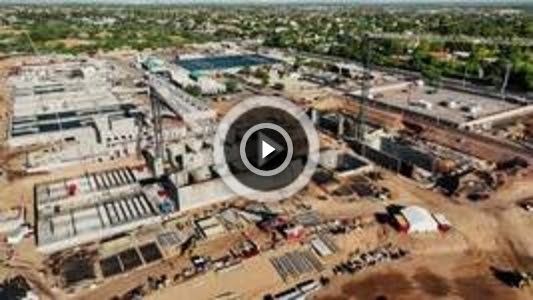
Sundt builds smarter water projects for our clients. We pair technical knowledge with experience in collaborative delivery methods. See how we're changing the North Water Treatment Plant in Arizona.
Circular Water Economy
Manufacturers see ZLD as competitive advantage
Some Canadian manufacturers are adopting zero liquid discharge to recycle treated wastewater within industrial operations not only for sustainability but also to ensure operational resilience and long-term competitiveness. Water supply disruptions can directly affect production, costs and expansion plans, prompting industries to integrate water recovery and reuse technologies into risk management.
Full Story: Digital Journal